
An obstacle that every athlete fears is injury. Whether avoiding it or recovering, both take as much practice and discipline as the sport itself. Not only can injuries affect performance and progress in a sport, they can also affect one’s mental health. In the face of injury, athletes are challenged to learn new skills, including the science of recovery and injury prevention.
A prominent athlete at LM who has recently gone through this process is Natalia Kasmer ’28, who is a dedicated and hardworking player on LM’s varsity field hockey and girls’ basketball teams and also a club basketball player for AAU Rebels. She had never been injured until this school year, when she was diagnosed with Achilles tendonitis, an inflamed tendon in the calf and heel area. The injury was simply from overuse and forced her to rest, leaving her in a boot for six to eight weeks.
After that, she started physical therapy at LM, with athletic trainer Jason Luty, who conveniently happened to work with her doctor. The first week of rehab for her was somewhat painful, but as she got used to using her muscles again, she also realized she enjoyed the training facility. When prompted, Kasmer described LM as having a “really good training facility.” Kasmer got along with Jason, looking forward to physical therapy as there was “easy conversation” and she could “take [her] mind off injury or schoolwork.” As someone who has gone through physical therapy myself and had trouble motivating myself to do it, I wondered how she dealt with all the repetitive and treacherous exercises with such a positive attitude. For Kasmer, this stemmed from confidence in knowing physical therapy was helping the injury. Before she started physical therapy, she felt more and worse pain, but it significantly decreased as she continued.
To further maintain endurance, physical therapy is not the only option. Dylan Peppler ’28, a cross-country and track athlete, strained an abductor muscle affecting his legs, causing him to take a three-month break from running. However, he was able to keep in shape from three months of rowing instead. Many of the athletes I talked to also continued going to the gym while recovering, which helped them stay in shape.
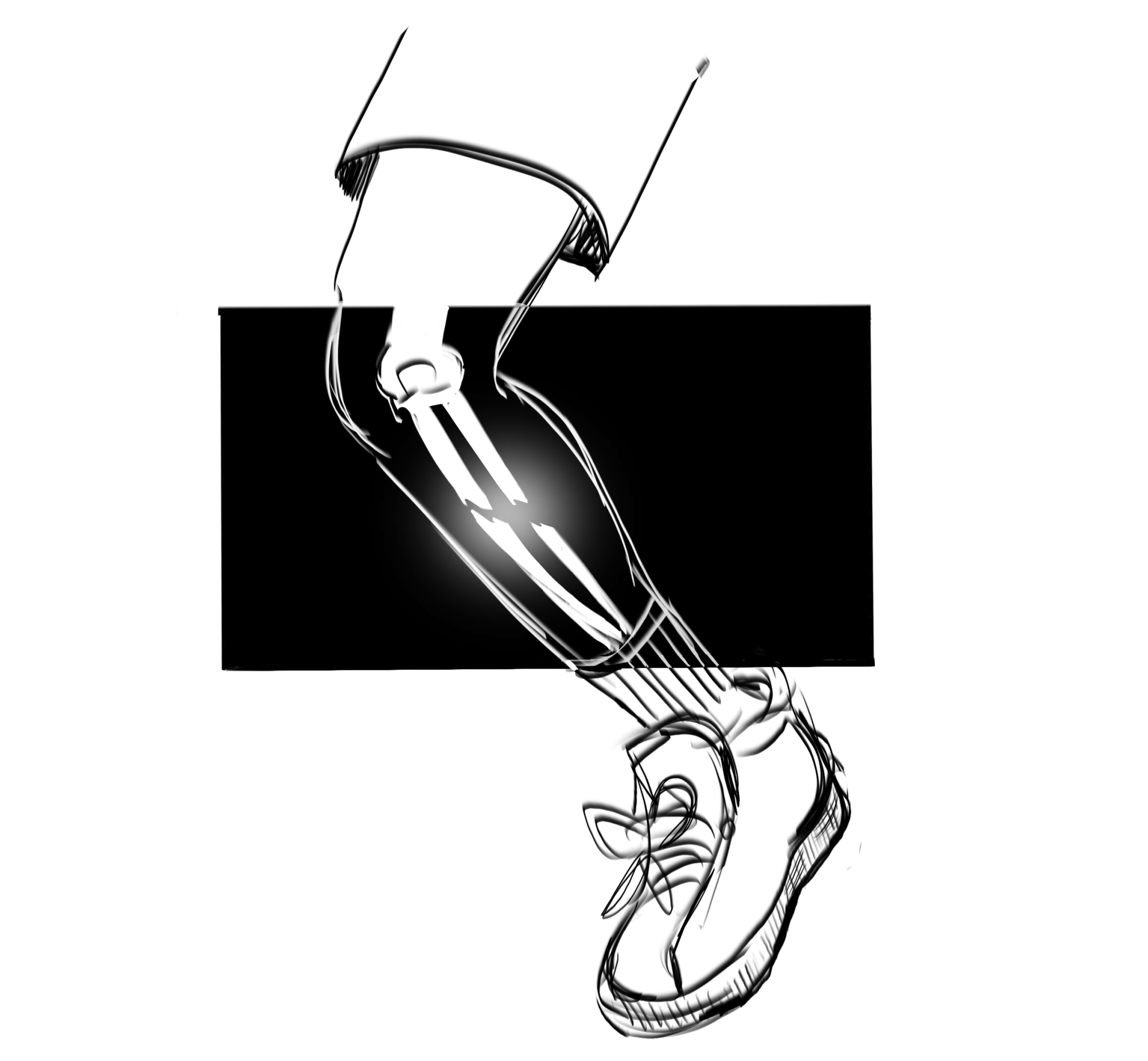
Often when experiencing injuries, athletes are told to listen to their bodies and decide how much they want to push themselves. This isn’t easy for people who try to go at their 100 percent all the time. At LM, many student-athletes are hard on themselves, telling themselves they’re fine while pushing through, leading to more harm. Kasmer was honest with herself about her pain and strategic with the recovery. When she knew she couldn’t play her absolute best, she took the rest of the season off. Kasmer allowed herself to fully recover so she could play in top form when the season started. Taking time for rest and recovery is key to avoiding setbacks and maximizing progress. Athlete Emma Richman class of 28’ gave the advice, “Definitely rest even if it’s a small injury. If you don’t rest, it can get worse.” Rest days are very important for both recovery and injury prevention. Kasmer emphasizes her rest days to “let [her] body rest and decompress.” Although counterintuitive, rest days can help your body get stronger. According to UCLA Health, “Intense exercise creates small tears in your muscles. When you rest, those tears not only heal, but allow your muscles to strengthen.” Rest days can also help with muscle aches and cramps. UCLA Health also states that “Lactic acid builds up in your muscles during hard exercise sessions. Resting gives your body a chance to flush out that excess lactic acid so muscles feel less tired and sore.”
Other components important to preventing injury are self-care, nutrition, and hydration. “Hydration is one of the cornerstones of recovery,” according to Dr. Kevin Schuler, Executive Medical Director of Perioperative Services at St. Elizabeth Healthcare. “When your body is properly hydrated, it can transport nutrients more efficiently, maintain good circulation to key organs, like your brain and kidneys, and promote faster healing.” Nutrition is essential for healing tissues and can help reduce swelling and increase energy levels. According to “Rehabilitation Nutrition for Injury Recovery of Athletes” in Nutrients, a journal by Sousana K. Papadopolou, a nutritious diet is vital for recovery after a sports injury. “Nutrition has a multi-dimensional effect on athletes’ physical and mental health and well-being. An adequate and balanced diet is of utmost importance in recovery and rehabilitation. The human body requires energy and especially protein and unsaturated fatty acids to compensate for inflammation, as well as a plethora of micronutrients, which contribute to healing.”
Injuries can be inconsistent, anxiety-triggering, and stressful. Family and friends can be a consistent source of comfort and normalcy that will support you through such a difficult time. Sometimes looking beyond your immediate community can also be helpful; when prompted for advice on motivation, an LM athlete said they took inspiration from others, sharing, “Plenty of professional athletes have been injured way worse than I was, and they’ve still managed to come back from it and excel in their sports.”
In conclusion, in the face of injury, athletes need to take a step back and focus on self-care and recovery. This can be mentally challenging for athletes used to pushing themselves every day. Placing a priority on resting, taking care of your body, nutrition, and following a physical therapy routine is essential. All athletes should ensure their focus on self-care for optimal success and injury prevention long-term.