
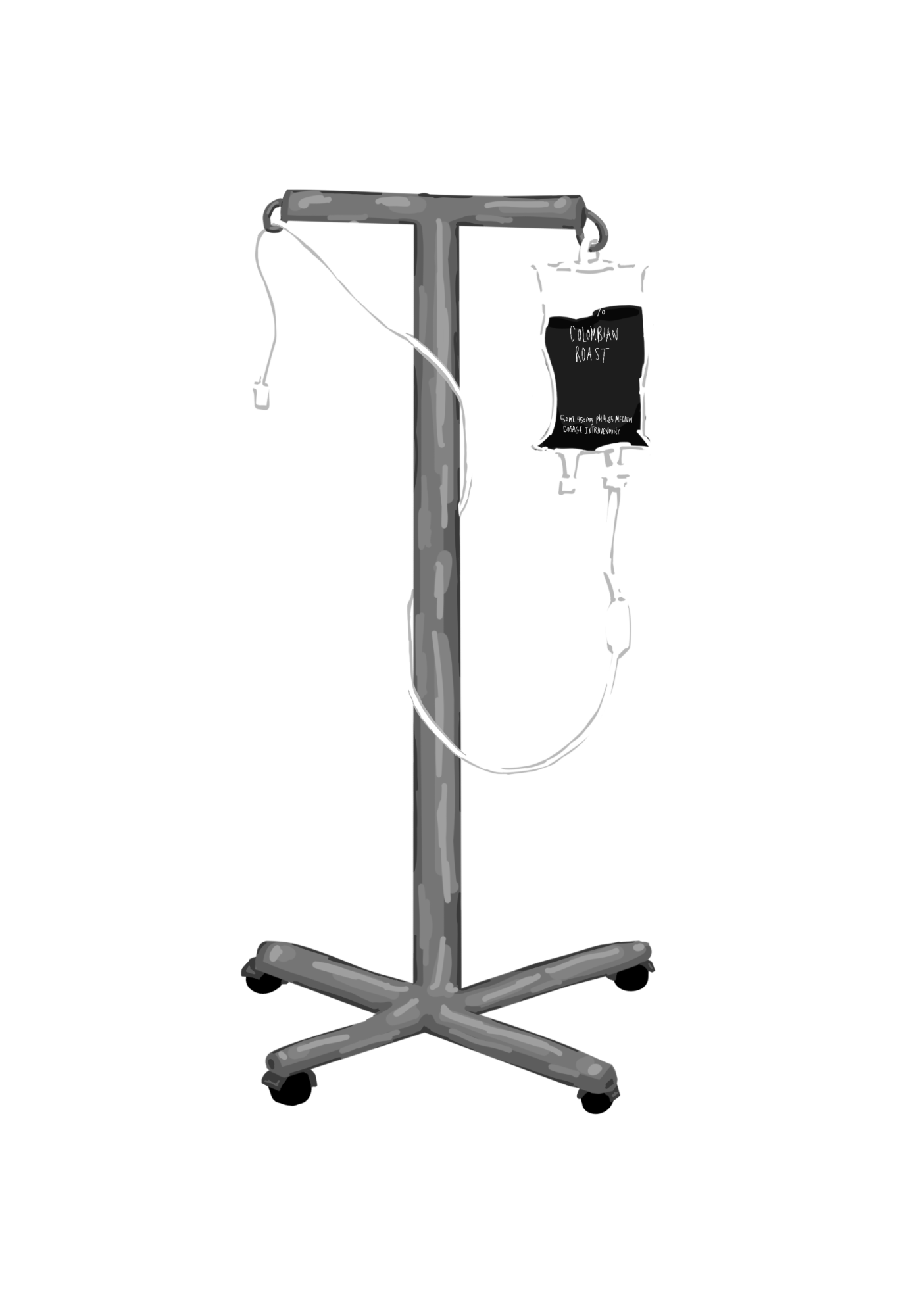
Everyone knows that caffeine helps keep you awake, but has it actually become more of a harmful addiction than a helpful addition? Many teenagers and young adults find themselves unable to fully wake up without a cup of coffee, and even then, they often need more than one. Drinking coffee in moderation can be acceptable, but it becomes problematic when addictions form, and the companies that produce caffeinated drinks do nothing to help. Starbucks, for instance, has come up with more and more creative ways to keep people addicted to sugary drinks while no one suspects a thing, using brightly colored drinks with intriguing flavors. Negative side effects of having caffeine in your system, such as physical and mental health issues, are often ignored. Caffeine increases rates of insomnia, muscle twitches, and anxiety leaving users feeling horrible and like they need more of it. This leads to a cycle of addiction that usually worsens.
Many people start drinking caffeine because they witness both adults and their peers drinking a morning coffee or a midday Celsius to fight off weariness,
usually at places like work or school. According to Sophie Gilligan ’28, “The abundance of caffeine in high school definitely contributes to everyone feeling the need to drink it.” While the temporary positive side effects of increased energy and alertness may be the initial motivator to start this daily habit, the normalization—or trendiness—of casual caffeination can lead to the false assumption that it is a good idea. Many fail to realize the negative impacts caffeine has on their sleep habits, which can cause people to become more irritable due to a lack of sleep. Around five hours after entering your body, the effects of caffeine generally start to slow down but the caffeine itself remains in your system for up to ten hours. Because so many people are dependent on caffeine, they drink more of it after it starts wearing off which just makes it last in their systems longer and allows it to continue to block necessary chemicals – both ACh and cAMP – in their bodies. According to Leo Reid ’28, he started drinking coffee just for tests to help him stay awake during freshman year. However, due to activities and needing to stay awake longer, he has started drinking caffeine more often, while still doing his best to not become addicted. This feat can be hard for some people, especially when they live in an environment that is full of opportunities for more caffeine.
Although many people drink coffee or other drinks found at coffee shops, a significant thing that gets people hooked is energy drinks, especially here at LM. While a lot of adolescents start drinking them because of the flavor or short-term boost, they eventually start needing the caffeine in them to function. Addison Heasley ’28 only started drinking them to feel more awake during the day and is very careful about how much caffeine she drinks. Caffeine has helped her stay awake during the day even when she’s tired, but she has to check the amount every time she drinks any type of caffeine. While using caffeine to occasionally stay awake for classes, sports, etc. is okay sometimes, everyone should be careful not to start relying on it.
At LM, many students feel exhausted from the stress of the workload, tests, and expectations. They then try to come up with ways to stop feeling so tired, and often turn to caffeine. This is such a common theme in so many high schools that the use of caffeine in adolescents is actually considered a growing emergency. Caffeine related emergencies have doubled in adolescents in recent years, and this can, with no doubt, be at least partially caused by growing academic and social pressure. The brains of adolescents aren’t generally meant to deal with the amount of pressure that is being put on them, but they certainly can’t deal with the amount of caffeine being put in them either.
All in all, caffeine can be a useful tool when used in moderation, but everyone should be aware of the risks and effects of using it. This is especially for adolescents whose brain chemistry could be altered, with added risks of high blood pressure, anxiety, and sleep disruption.