
As younger students watch movies like Mean Girls or High School Musical for the first time, it’s easy to make assumptions about the reality of high school. The film industry paints an exaggerated picture of student life through the character styles and dramatic plots. For entertainment purposes, there is often constant drama or plot lines where the characters get into unrealistic scenarios. It’s clear that there is some stylized disconnect between the hallways of LM and a Hollywood set.
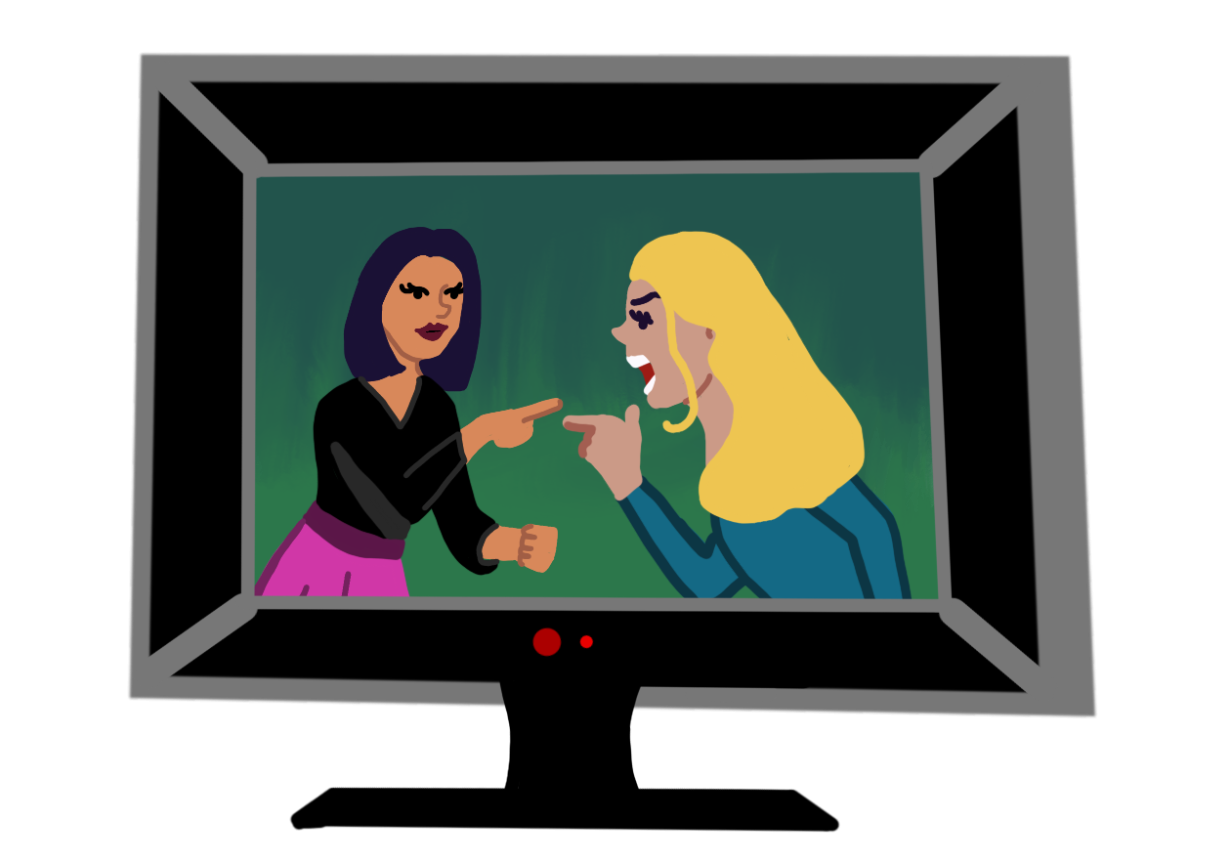
In Mean Girls, for example, Regina George creates constant drama by manipulating her friends, spreading rumors, and fighting for social status. Written and directed by Tina Fey, she intentionally amplifies high school social divisions to critique the unrealistic importance placed on status. The movie portrays social status as paramount to high schoolers, making each clique defined and rigid. In reality, high schoolers find their own group that they connect best with. Friend groups are more flexible and don’t create a social hierarchy like how it’s dramatized in Mean Girls.
Similarly, High School Musical glamorizes the reality of high school through the characters breaking into choreographed songs and romanticizing teenage relationships.Younger audiences may fall under the impression that high school will have constant over-the-top events and drama.
Even though friends and love are factors of what happens in a high school experience, the reality is more complex, filled with academic pressure and navigating independence.
For the sake of the plot, adults are often shadowed or irrelevant to the storyline.
In Euphoria, a show known for its teenage depravity, adults are present yet heavily unaware of what students are truly experiencing when it comes to the dark themes of addiction and emotional instability with relationships and friends. Although amplified, the show reflects real challenges that some teens encounter.
Roughly one in five teens have a mental or behavioral health condition such as anxiety or depression, according to the National Library of Medicine. But in reality, adults are more present when it comes to decisions regarding the future and paying attention to what goes on in their kid’s lives. Sam Levinson, the creator of the show, stated, “We wanted it to be something that reflected emotional realism but wasn’t married to reality.” High school television will often make adults peripheral to convey the disconnect between teenagers and the adults in their lives. This exaggerates the distance between teens and adults, reinforcing the idea that adolescents must navigate challenges entirely on their own.
Despite the exaggerations, the film industry does a good job of zooming in on the main themes and experiences of adolescence. Prom, football games, and pep rallies are common social events that movies like Ten Things I Hate About You capture well. Teen experiences often have heightened events, such as heartbreaks, overwhelming pressure, and self-discovery. Beyond entertainment purposes, portraying the highs and lows of a high school experience helps audiences better understand the complexity of being a teenager.